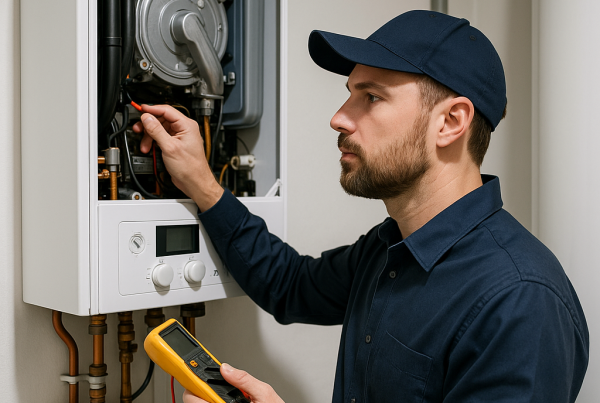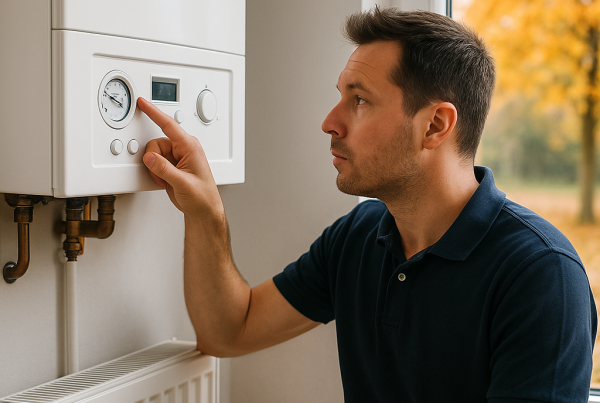


When a boiler quote lands in your inbox, the first reaction is often the same: why is boiler installation so expensive? It is a fair question, especially when the boiler itself can look like only part of the total. What many homeowners do not see at first is that you are not simply buying a box on the wall. You are paying for a safe, compliant, correctly sized heating system that should keep your home warm and your hot water reliable for years.
A new boiler is one of the bigger household purchases, so it helps to understand where the money goes. Once you break it down, the price usually makes more sense.
Why is boiler installation so expensive in the first place?
The short answer is that boiler installation combines specialist equipment, skilled labour, safety-critical gas work, and the condition of your existing system. Even a straightforward swap is not the same as fitting a kitchen appliance. A boiler is tied into your gas supply, heating controls, pipework, flue system, condensate drainage, and hot water performance.
You are also paying for the installer to take responsibility for getting every part of that right. That includes following current regulations, commissioning the boiler properly, checking combustion, registering the installation, and making sure the manufacturer warranty remains valid.
The boiler is only one part of the cost
Homeowners often compare the online price of a boiler to a full installation quote and assume the labour is inflated. In reality, the appliance itself is only one part of the job.
The final figure can include the boiler, flue components, filter, controls, pipework adjustments, fittings, chemicals for system treatment, disposal of the old unit, testing equipment, certification, and the engineer’s time. If the job needs two engineers, multiple visits, or making good around the installation area, that all affects the price too.
A quality boiler from a trusted manufacturer also costs more than an entry-level model. That can feel frustrating at quote stage, but better components, stronger warranties, and easier access to future parts often make a real difference over the life of the system.
Labour is skilled, regulated work
A large part of the cost is labour, and for good reason. Boiler installation is not general handyman work. Gas appliances must be fitted by a Gas Safe registered engineer, and oil systems require the relevant Oftec standards and competence. That training, accreditation, insurance, and ongoing compliance all sit behind the quote.
There is also more time in the job than many people expect. An engineer may need to remove the old boiler, alter pipework, fit the new unit, install a flue to the correct standard, connect condensate drainage, flush or protect the system, wire in controls, test pressures, commission the appliance, and explain the system to the homeowner. If anything in the existing setup is outdated or unsafe, that has to be addressed before the installation can be signed off.
That is why unusually cheap quotes should always be treated carefully. A low price can sometimes mean corners are being cut, and with heating and hot water systems, that is not a risk most households want to take.
The type of installation changes the price
Not every boiler replacement is like-for-like. In fact, some of the biggest price jumps happen when the installation is more complex than it first appears.
A simple combi-to-combi boiler swap in the same location is usually more straightforward. A conversion from a regular boiler to a combi, or from a system boiler to another type, tends to cost more because it can involve removing tanks, reworking pipe runs, changing controls, and adjusting how hot water is delivered around the property.
Moving the boiler to a new location can also add cost. A boiler relocated from a kitchen to a loft or garage may need extended gas pipework, a different flue route, electrical alterations, frost protection, and extra labour time. None of that is unnecessary. It is part of making sure the new system performs properly and complies with regulations.
Your existing system may need upgrades
One reason why boiler installation is so expensive in some homes is that the boiler has exposed wider issues in the heating system. An old appliance may have been working around poor controls, dirty water in the system, undersized pipework, or a failing flue arrangement. A new installation is often the point where those problems can no longer be ignored.
Modern boilers are more efficient, but they also need the system around them to be in decent condition. That is why installers may recommend a magnetic filter, chemical inhibitor, power flush or chemical clean, thermostatic radiator valves, or upgraded controls. These additions can raise the upfront cost, but they are there to protect the boiler and help it run efficiently.
If the installer finds unsafe gas pipe sizing, poor ventilation in older setups, or non-compliant flueing, those items must be corrected. It is not upselling for the sake of it. It is part of fitting the boiler safely and legally.
Efficiency and controls add value, but also cost more
A modern heating system is about more than just producing heat. Homeowners now expect better efficiency, easier control, and lower running costs. Smarter controls, weather compensation, load compensation, zoning, and high-efficiency pumps can all improve performance, but they also add to the installation price.
This is where the cheapest option is not always the best value. A lower-cost boiler with basic controls may save money on day one, but a better matched setup can reduce fuel waste and improve comfort over time. For busy households, the convenience of reliable heating and hot water is worth a lot, especially in winter.
There is always a balance to strike. Some homes benefit from more advanced controls; others are better served by a simpler, dependable setup. A good installer should explain the difference clearly rather than pushing extras you do not need.
Warranties, manufacturer standards, and workmanship matter
Part of what you are paying for is peace of mind after the job is finished. Boiler manufacturers usually set conditions around installation quality, commissioning, and annual servicing if their warranty is to remain valid. If the boiler is not fitted to the required standard, the warranty may not provide the protection homeowners expect.
That is one reason established local specialists often charge more than a one-man operation offering a cash price. A professional company has office support, proper booking systems, insurance, trained engineers, and a process for aftercare if something needs attention. That structure costs money to run, but it also gives customers reassurance.
For many households, that support matters just as much as the installation itself. When your heating fails in January, knowing who installed it and being able to get a prompt response is a real part of the value.
Cheap quotes can cost more later
It is understandable to shop around. Most homeowners will compare two or three quotes before making a decision. But boiler installation is one of those jobs where the lowest price is not always the cheapest route in the long term.
A quote can look attractive because key items have been left out. System cleaning, filter installation, waste removal, upgraded controls, pipework changes, and warranty registration are not always included in headline prices. Once those are added back in, the gap between quotes can narrow quickly.
There is also the cost of poor workmanship to consider. Leaks, noise, pressure problems, badly balanced systems, short cycling, and repeated breakdowns can all stem from a rushed or poorly planned installation. Fixing those issues later is frustrating and expensive.
What homeowners should look for in a quote
A good boiler quote should be clear about what is included, what assumptions have been made, and whether any extra work may be needed once the existing system is inspected properly. It should also explain the boiler model, warranty length, controls, filter, flue arrangement, and any recommended system cleaning.
It is worth asking whether the quote includes commissioning, registration, removal of the old boiler, and handover. You should also check the installer’s credentials and whether they have experience fitting the type of system your home actually needs.
For homeowners across Essex, working with an established company such as Assured Heating Essex can make that process more straightforward because the focus is not just on fitting a boiler, but on making sure the whole system is safe, efficient, and dependable.
So, is boiler installation expensive or simply high-value?
Sometimes it is both. It is a significant outlay, and there is no point pretending otherwise. But when installed properly, a new boiler can give you lower energy use, fewer breakdowns, better hot water performance, and confidence that your home is being heated safely.
That is usually what the price reflects: not just a new appliance, but the skill, compliance, and care needed to fit it properly. If a quote feels high, the best next step is not to chase the lowest number. It is to ask what is included, what is being improved, and how that installation will protect your home over the years ahead.