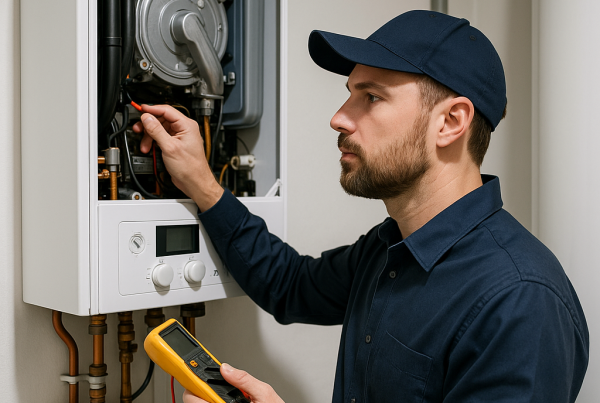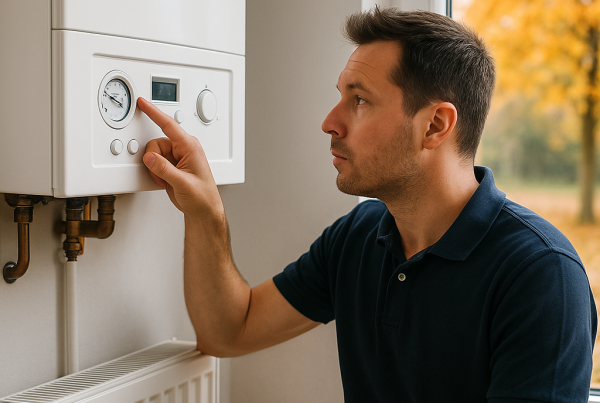


Boiler quotes can vary by thousands of pounds, which is why so many homeowners ask the same question first: what is the average cost of a boiler installation? The honest answer is that most standard domestic installations in the UK tend to fall somewhere between £2,000 and £4,500, but the final figure depends on the boiler you choose, the complexity of the job, and what needs updating around it.
If you are replacing an older boiler, it helps to think of the price in two parts. First, there is the boiler itself. Then there is the installation work, which may include flue components, controls, pipework changes, a magnetic filter, system cleansing, commissioning, and disposal of the old unit. A straightforward like-for-like swap will usually sit at the lower end of the range. A conversion or a more involved upgrade can move the cost up quickly.
What is the average cost of a boiler installation in the UK?
For a typical petrol combi boiler replacement in the same location, many homeowners pay around £2,000 to £3,000. If you are fitting a larger output boiler, choosing a premium manufacturer, or upgrading controls, that can move closer to £3,500.
System boilers and conventional boilers can cost more overall, especially where hot water cylinders, tanks, pumps or valves are part of the setup. Jobs of that kind often land between £2,500 and £4,500. If you are changing from one boiler type to another, such as a regular boiler to a combi, the total may go beyond that because the pipework and system layout often need altering.
Electric and oil boiler installations follow different pricing patterns. Electric boilers can be simpler in some properties, but running costs matter just as much as installation cost. Oil systems often involve specialist equipment and external works, so pricing can be higher depending on access and site conditions.
Why one boiler quote is much higher than another
Two properties can look similar on paper and still produce very different quotes. That is because a proper boiler installation is not just about hanging a new appliance on the wall.
The first big factor is boiler type and size. A small flat with one bathroom does not need the same boiler as a larger family home with multiple showers running in the morning. If the appliance is undersized, performance suffers. If it is oversized, you may pay more than necessary upfront and lose efficiency benefits.
Brand choice also affects price. Trusted manufacturers with strong warranties often cost more initially, but many homeowners prefer that extra reassurance. The cheapest boiler on the market is not always the best value if reliability becomes an issue a few winters down the line.
Labour is another major part of the cost. A straightforward replacement can often be completed faster than a full system conversion. If engineers need to relocate the boiler, run a new flue, alter petrol pipe sizing, upgrade condensate drainage, or replace old controls, labour time increases and so does the quote.
Then there is the condition of the existing heating system. Older systems may need a power flush or at least a chemical clean before the new boiler is connected. Sludge and debris can damage a new appliance, so this is not an optional extra in many cases. It is part of protecting the system and helping the boiler run properly from day one.
The main boiler installation cost factors to expect
When comparing quotes, it helps to know what should normally be included. A professional installation price may cover the boiler, flue, fitting, system clean, filter, controls, commissioning, registration, and removal of the old unit. If one quote looks dramatically cheaper, it is worth checking whether some of those essentials have been left out.
Boiler controls are a good example. Basic controls may keep the price lower, but smart thermostats and modern programmable options can improve comfort and help reduce wasted energy. They increase the upfront cost, but they can be worthwhile if you want more control over heating schedules.
Location matters too. If the boiler is difficult to access, perhaps in a loft or a tight cupboard, installation time may be longer. If the flue position needs changing to meet current standards, that can also add to the cost.
Property size has a direct impact as well. Larger homes usually need higher output boilers and, in some cases, more substantial system upgrades. A small terrace and a detached house will not usually carry the same installation price, even if both are having a boiler replaced.
Typical price ranges by installation type
A like-for-like combi swap is usually the most cost-effective option. In many homes, this falls around £2,000 to £3,000 depending on the boiler brand, warranty and controls included.
A system boiler replacement may be around £2,500 to £4,000, especially where the hot water cylinder and associated components need attention. A conventional boiler replacement can sit in a similar bracket, although older setups can sometimes reveal extra work once the job begins.
A conversion from a regular or system boiler to a combi is commonly one of the more expensive routes. Many homeowners choose it to free up loft space or remove the cylinder cupboard, but the installation can involve more significant pipework changes. Costs of £3,000 to £5,000 are not unusual, and more complex properties can go higher.
These are broad guide prices rather than fixed rates. A site survey is the only reliable way to understand what your home actually needs.
Is the cheapest boiler installation the best value?
Usually not. Low prices can be tempting, especially when a boiler fails unexpectedly, but this is one area where cutting corners can become expensive later. Poor installation can affect efficiency, reliability and warranty cover. It can also create safety concerns if work is not carried out correctly.
A better way to judge value is to look at the whole package. That means the quality of the boiler, the standard of the installation, the warranty length, the engineer’s accreditations, and whether the quote includes the items needed to protect the system properly. For most households, paying a little more for dependable workmanship makes sense.
This is where experience matters. A company carrying out boiler installations every week is more likely to spot issues early, recommend the right setup, and complete the work with less disruption. For homeowners in Essex, that local experience can make the process much smoother, especially when aftercare and servicing are also available from the same team.
How to keep boiler installation costs under control
There are sensible ways to manage the cost without compromising on quality. The first is to replace the boiler before it becomes an emergency if you can. An ageing appliance that still works gives you time to compare options and choose the right model, rather than making a rushed decision in the middle of winter.
It also helps to be clear about what you want from the new system. If your current hot water performance is poor, mention it. If you are planning an extension or extra bathroom, say so. The right boiler is not just about today’s usage. It should suit the home for the next several years.
Ask whether finance is available if spreading the cost would make the upgrade easier to manage. Many homeowners prefer monthly payments rather than a large one-off bill, particularly when replacing a boiler was not planned.
Regular servicing is part of cost control too. A well-maintained boiler generally lasts longer and is less likely to break down unexpectedly. That does not reduce the installation quote today, but it can protect your investment over time.
Questions worth asking before you accept a quote
Before going ahead, ask what is included in the price, what warranty comes with the boiler, and whether the system needs cleaning or extra remedial work. You should also check that the installer is properly accredited for the fuel type involved.
It is worth asking how long the job will take and whether there are any likely additional costs not yet included. Good installers are usually clear about this from the start. No one can guarantee that hidden issues will never appear, especially in older properties, but a thorough survey should reduce the chance of unwelcome surprises.
If you are comparing two or three quotes, compare the detail rather than just the headline number. One may include better controls, a longer warranty, or more complete system protection. That can easily explain a price difference.
So, what should you budget for?
If you want a practical starting point, many UK homeowners should budget around £2,500 to £3,500 for a standard boiler installation, while keeping in mind that simpler jobs may be less and more complex jobs may be more. That is usually a more realistic approach than chasing the lowest advertised figure.
A boiler is not just another household appliance. It is central to your heating, hot water, comfort and day-to-day routine. Getting the right installation matters just as much as choosing the right boiler, and a clear, honest quote from a qualified local specialist is often the best place to start.