

Do They Check Radiators On A Boiler Service?
The short answer is yes, they should.
In my opinion, checking the radiators should form part of every boiler service. Unfortunately, not every heating engineer or company includes this as standard.
At Assured Heating Essex, we have always checked radiators during a boiler service. It is a quick process that can identify problems before they become expensive breakdowns when you need your heating most.
Having worked in the heating industry since 2001 and with our team of 10 engineers carrying out around 2,000 boiler services every year, we've seen first-hand how often seemingly minor radiator issues can go unnoticed by homeowners.
In fact, I would estimate that around 1 in 10 properties we visit have radiator-related problems that the homeowner wasn't aware of before the service.
What Do We Check On The Radiators During A Boiler Service?
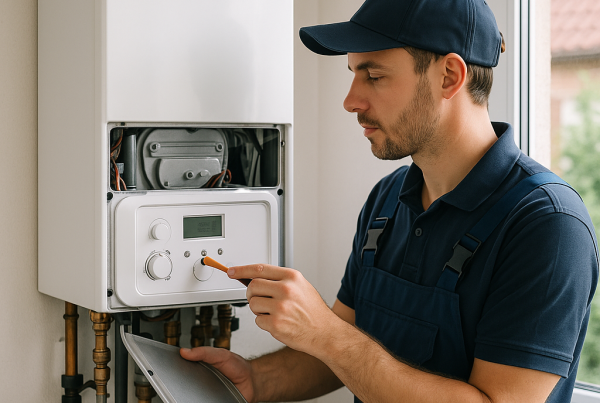
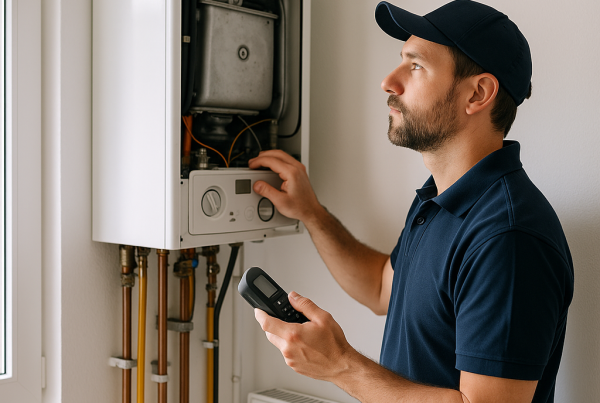
When we carry out a boiler service, we don't just focus on the boiler itself.
We ramp the boiler up to its maximum output and test the heating system harder than it would normally operate during day-to-day use. This allows us to properly assess how the entire system is performing.
As part of our service, we:
- Check that all radiators heat up correctly.
- Bleed radiators where necessary.
- Check and adjust the system pressure.
- Identify radiators that are not heating properly.
- Look for signs of circulation issues.
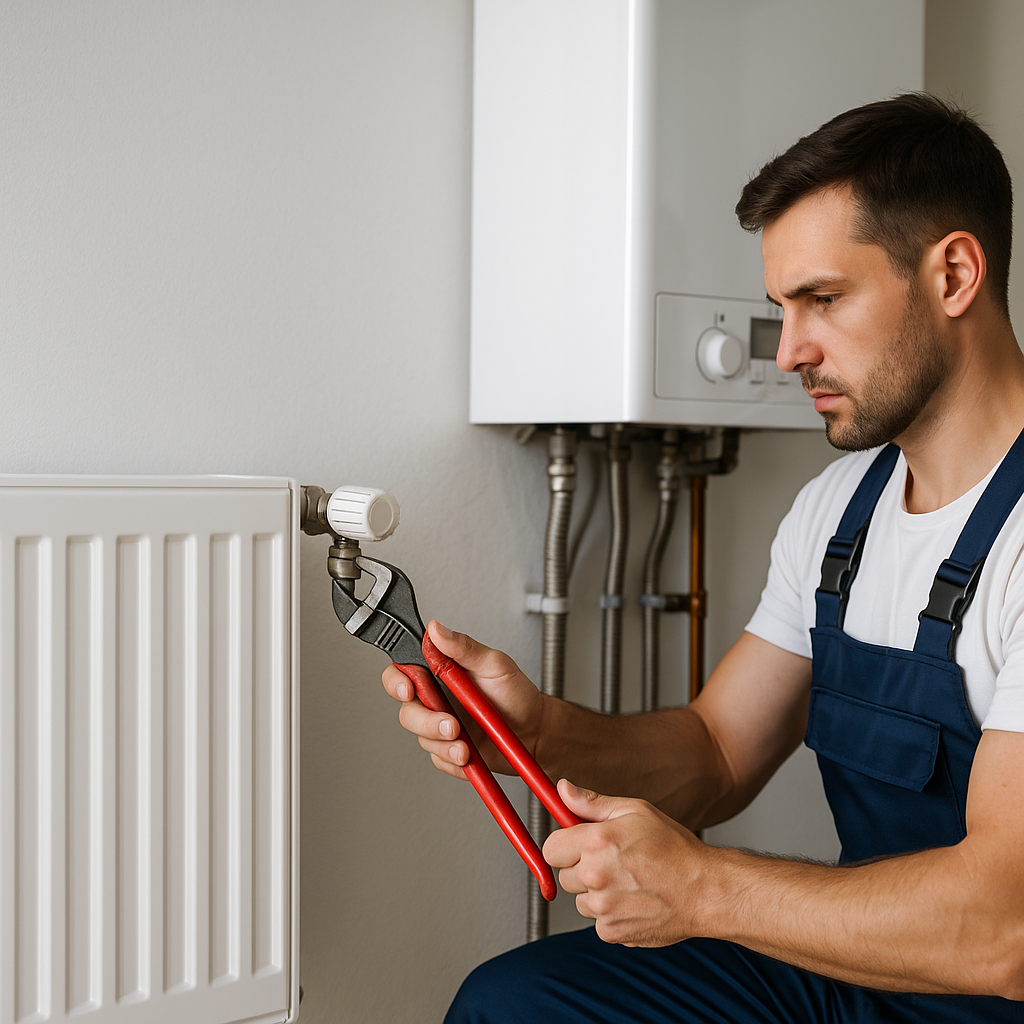
- Check for stuck radiator valves.
- Look for early warning signs of sludge or corrosion.
By testing the heating system thoroughly, we can often identify issues before they leave a customer without heating during the winter.
Why Checking Radiators Is So Important
Many homeowners assume that because their heating worked last winter, everything will work perfectly when they turn it back on this year.
Unfortunately, that isn't always the case.
Heating systems often sit unused for months during the summer. During this time, components can seize, valves can stick, and other issues can develop without the homeowner noticing.
When winter arrives and the heating is finally needed, that's when these problems become apparent.
By checking radiators during an annual boiler service, many of these issues can be identified and resolved before they cause inconvenience.
Problems We Commonly Find During A Boiler Service
Over the years, we've found a wide variety of radiator issues during routine servicing.
Stuck Thermostatic Radiator Valves
Most modern radiators have thermostatic radiator valves (TRVs).
These valves control the flow of hot water through the radiator and help regulate room temperatures.
When a heating system has been inactive for a long period, these valves can sometimes stick in position.
We've found valves that are:
- Stuck fully open.
- Stuck partially open.
- Stuck completely closed.
If a valve is stuck closed, the radiator may not heat up at all.
Many homeowners don't discover this until the first cold day of the year. A boiler service gives us the opportunity to identify and rectify the problem beforehand.
Air Trapped In Radiators
A radiator that is hot at the bottom but cold at the top often indicates trapped air.
This is one of the most common issues we encounter.
In many cases, the solution is simple. We bleed the radiator, release the trapped air and top up the system pressure if necessary.
However, recurring air in the system can sometimes indicate a larger issue.
For example, internal corrosion within the heating system can create gases which then become trapped at the highest points of the radiators.
A routine service allows us to spot these warning signs early.
Sludge Build-Up
If a radiator is hot at the top but cold at the bottom, this can often indicate sludge accumulation.
Over time, corrosion products and debris can settle in the bottom of radiators and pipework, restricting water flow.
The result can be:
- Poor radiator performance.
- Cold spots.
- Reduced heating efficiency.
- Increased strain on the boiler and pump.
In some cases, this may indicate that the system would benefit from a powerflush to remove accumulated sludge.
Can A Boiler Be Serviced Without Checking The Radiators?
Technically, yes.
A heating engineer can service the boiler itself without checking the radiators.
However, I don't believe that represents a complete heating system service.
The boiler is only one part of the heating system. If radiators aren't heating correctly, valves are seized, air is trapped, or sludge is restricting circulation, the customer is still likely to experience heating problems even if the boiler itself is operating perfectly.
That's why I believe radiator checks should be included as standard and not sold as an additional extra.
Homeowners should always ask what is included in a boiler service before booking.
We've Found Many Problems Homeowners Didn't Know About
One of the most common things we hear from customers is:
"The radiator was working fine last year."
And they're usually right.
The radiator probably was working perfectly at the end of the previous heating season.
However, after several months of inactivity, a surprising amount can happen.
We've attended countless properties where homeowners were completely unaware that:
- A radiator valve had seized.
- Air had built up in the system.
- Sludge had accumulated.
- A radiator was no longer heating properly.
- System pressure had dropped.
Because we test the entire heating system during a service, these issues are often identified long before the customer experiences a breakdown.
When Is The Best Time To Have A Boiler Service?
Most homeowners wait until autumn when they begin using their heating again.
In my opinion, summer is actually the best time to arrange a boiler service.
There are several reasons for this.
Firstly, heating components that have been sitting unused are more likely to develop issues that can be identified and resolved before winter arrives.
Secondly, heating engineers are generally less busy during the warmer months.
Once temperatures drop, engineers are often dealing with emergency breakdowns and heating failures. This can make it harder to arrange routine maintenance appointments.
Booking your service during the summer helps ensure your heating system is ready before the cold weather arrives.
My Advice To Homeowners
If you're booking a boiler service, don't assume the engineer will automatically check the radiators.
Ask the question.
A proper boiler service should include checking that the heating system is operating correctly and that all radiators are heating as they should.
The small amount of time spent checking radiators can identify problems early, prevent unnecessary call-outs and help avoid heating failures when you need your system most.
Most importantly, don't skip your annual boiler service simply because everything appears to be working fine today.
Many of the problems we find during servicing haven't yet caused a breakdown.
That's exactly why annual maintenance is so important.
Final Thoughts
Yes, radiators should be checked during a boiler service.
At Assured Heating Essex, we've always included radiator checks as part of our standard service because we believe it provides better value for customers and helps identify issues before they become costly repairs.
After more than two decades in the industry and thousands of boiler services every year, we've seen how often seemingly minor radiator problems can go unnoticed.
An annual boiler service is about far more than checking the boiler alone. It's about making sure your entire heating system is ready to keep your home warm, efficient and reliable throughout the winter months.